Peripheral Vision Loss: An Early Sign Treated at a Glaucoma Hospital in Raipur
One day, light might start fading at the sides without warning - like shadows creeping in slowly. That small shift, often brushed off as fatigue or getting older, sometimes points straight to glaucoma, a top reason people go blind across the globe. When side vision begins slipping away, the eyes are speaking quietly but urgently. Spotting those hints fast gives a real shot at keeping sight intact. For anyone near Chhattisgarh, walking into the best eye hospital in Raipur may stop darkness from taking hold for good. For long-term eye health, visiting a glaucoma hospital in Raipur is an important step toward protecting your sight.
What Is Peripheral Vision Loss?
Out beyond the center of what you look at, there sits a quiet kind of sight - peripheral vision. That edge-awareness catches motion before it steps into view. Without shifting your gaze, shapes and changes appear just by being near. Moving through space becomes easier when corners speak up. Things coming from the side? They register first here, long before they arrive.
Side eyesight fading - tunnel vision later on - happens as the eye's main nerve gets hurt over time, shrinking what you can see. No pain comes with it. Just a crawl so gradual that most people miss the signs until too much harm is done. Damage stacks without warning, silent, steady, leaving changes that usually cannot be undone.
Glaucoma tops the list when it comes to losing side vision - it's actually several eye problems tied together by too much fluid pressure inside the eyeball, slowly harming the main nerve for sight. Without treatment, this damage can go all the way to complete vision loss. Around 12 million people in India live with this condition, though plenty don't even know they have it. That makes getting checked at a trusted eye hospital in Raipur more than smart - skipping it could cost you your eyesight.
How Glaucoma Silently Steals Your Sight
Silence marks the start of it. Months pass, then years, while pressure builds unseen inside the eye. Often mistaken for nothing at all, this slow shift hides behind normal days. Vision stays clear right up front, tricking you into thinking everything's fine. Yet edges begin to fade, like a photo losing light around the borders. Nerve strands that catch movement out wide give way without warning. Only later does the gap become obvious.
Warning signs that should prompt an immediate visit to an eye specialist in Raipur:
• Starting to notice less sight at the edges, usually affecting both eyes over time
• Fog closes in around the edges of sight later on
• Pictures of light rings might show up when it gets dark. Nighttime could make these circles more obvious sometimes
• Blurred vision or eye pain (in acute angle-closure glaucoma)
• Frequent changes in eyeglass prescriptions
• Headaches accompanied by nausea and visual disturbances
Why Early Detection at an Eye Hospital in Raipur Matters
What most people learn too late is that eyesight gone from glaucoma stays gone. Nerve tissue harmed by it does not grow back, ever. Still, treatment works well when started on time. Stopping more damage becomes possible - just not guaranteed unless caught early.
Here in Raipur, high-tech eye checks quietly change outcomes. Years before symptoms show up, new machines spot rising eye pressure, oddities in the optic nerve, or faint blind spots creeping into vision. Instead of waiting, doctors now rely on scans like OCT to see tiny nerve layers, while Humphrey tests track side vision loss slowly spreading outward. With digital images of the retina captured instantly, each visit builds a clearer picture - over time - a story written in light and shadow beneath the surface.
Eye care available at certain eye care clinics in Raipur focuses closely on glaucoma. Because early detection matters so much, full exams take place instead of basic sight tests. When pressure builds silently, thorough reviews help stop damage before it spreads. People facing greater risk gain protection through these detailed visits.
Who Is at Risk? Know Your Risk Factors
People more likely to get glaucoma need to attend checkups at an eye clinic in Raipur without delay. Those at greater risk must stay ahead through consistent appointments. Watchfulness matters most when family history plays a role. Age shifts the odds, especially past sixty. Eye pressure creeps up quietly - routine scans catch it early. Some health conditions open the door wider for vision problems. Regular visits act like quiet guards over time. Blind spots grow slowly; exams spot trouble before sight fades.
Forty-something? Time stacks odds higher with every birthday that passes
Folks whose relatives have had glaucoma:
•Patients with diabetes, hypertension, or cardiovascular disease
•People with high myopia (severe short-sightedness) or hyperopia
•Individuals who have experienced eye injuries or undergone eye surgery
Last one up - those spending time on corticosteroids, no matter if it's eye drops, pills, or inhalers
People born in parts of Africa or Asia sometimes see steeper odds. Roots matter when looking at stats. Numbers tend to reflect this more clearly. Where someone comes from ties into probability. Differences appear due to recurring trends. Predictions often come from numbers. Because roots shape patterns, links show up plainly. Finding yourself in one of those groups? Then seeing a skilled eye specialist in Raipur right away isn't just smart - waiting could cost you. A full check for glaucoma needs to happen now, not later.
Treatment Options Available at a Glaucoma-Specialised Eye Hospital
Finding glaucoma fast makes it much easier to handle. The best eye hospital in Raipur has a special team just for glaucoma, giving care that fits exactly what you need based on how far things have gone.
Medicated Eye Drops
Starting off, most people dealing with glaucoma use prescribed eye drops to ease pressure inside the eye. These medications work in one of two ways - lessening how much fluid the eye makes or helping it flow out better.
Laser Therapy (SLT / ALT)
At an expert eye care clinic in Raipur, Selective Laser Trabeculoplasty happens right during your visit - no big fuss. This gentle method relies on focused light beams that touch only specific cells. Pressure drops because fluid finds its way out more easily. The whole thing works without cutting or harming nearby tissue.
Trabeculectomy (Glaucoma Filtration Surgery)
When drops and lasers fall short, surgery opens up another way for eye fluid to drain. This path helps manage pressure over time. Relief can last much longer this way.
Minimally Invasive Glaucoma Surgery (MIGS)
Most modern MIGS methods bring down eye pressure reliably while healing happens quicker, plus serious issues show up less often. These options fit best when glaucoma is early or medium stage, also if someone gets cataract work done at the same time.
Regular Eye Checkups Help Detect Glaucoma Early
Most times, stopping a problem before it starts beats fixing it later. When it comes to glaucoma, spotting it fast becomes the real shield keeping sight safe. In Raipur, a full eye screening takes just minutes. Still, what those few moments do for eyesight down the road can't really be measured.
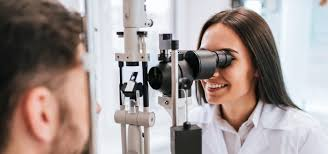
A thorough glaucoma screening — part of the eye screening services in Raipur — at a quality eye care clinic typically includes:
• Intraocular pressure (IOP) measurement using tonometry
• Optic nerve head evaluation via slit-lamp biomicroscopy
• Gonioscopy to examine the drainage angle of the eye
• Visual field testing to detect peripheral vision defects
• OCT imaging of the retinal nerve fibre layer (RNFL)
• Corneal thickness measurement (pachymetry)
Once past forty, most grown-ups need a routine eye checkup in Raipur now and then - say, every couple of years. Those carrying higher risks? Better make it yearly, or stick to what their eye doctor actually suggests.
Choosing the Best Eye Hospital in Raipur for Glaucoma Care
Glaucoma demands attention - how well you do often ties back to who's guiding your path. In Raipur, top-tier eye hospitals blend seasoned specialists with sharp tools that catch problems early. Beyond gear, they carry varied treatments ready for different stages. Care feels steady, never rushed, shaped by people who listen closely. Skill meets support where it counts most.
Key factors to look for when choosing an eye specialist in Raipur for glaucoma:
• Fellowship-trained glaucoma specialists with years of dedicated expertise
• Advanced eye testing tools like OCT and visual field analyzer
• A range of procedures using lasers or surgery is available. Some pick one method. Others go a different way. Choices depend on needs. Tools change often. Each person responds differently. Results show up in their own time
• Transparent patient communication and detailed counselling
• Strong post-operative and long-term follow-up care protocols
• Finding it is easy, plus getting a time that fits your day works smoothly
Folks living in Raipur plus nearby parts of Chhattisgarh now get top-tier treatment at any eye hospital in Raipur without leaving home. Heading to big city clinics for serious glaucoma checks? Not required anymore.
Don't Ignore the Edges: A Final Word
Out of nowhere, sight begins fading at the edges. Glaucoma creeps in without warning signs that most never see coming. Once the brain stops receiving signals from the outer world, those pathways vanish forever. Staying ahead means paying attention before symptoms shout. Doctors can spot trouble long before the mind catches on. Waiting until things feel off? That is often too late.
Seeing changes does not mean waiting until they worsen. Book a routine eye checkup in Raipur before small issues grow. Full eye screening services in Raipur are possible at any local expert clinic nearby. Start by talking with a known eye doctor there, one who looks closely at what makes you different. Your eyes deserve a strategy shaped just for how you live. Early diagnosis and expert care at a trusted Glaucoma Hospital in Raipur can help protect your vision.

Comments
Post a Comment